

When homeowners consider improvements that deliver both immediate visual impact and long-term financial return, the driveway is often overlooked. Yet it is one of the first features people see when approaching a property, making it a significant contributor to curb appeal and overall value. Asphalt driveways offer a blend of durability, affordability, and low maintenance, but even well-installed asphalt eventually begins to show age. Cracking, sinking, and surface deterioration can diminish both functionality and appearance, affecting home value and buyer impressions. For these reasons, replacing a failing driveway is a high-ROI home improvement that enhances both aesthetics and long-term financial benefits.
Why Driveway Replacement Improves Home Value
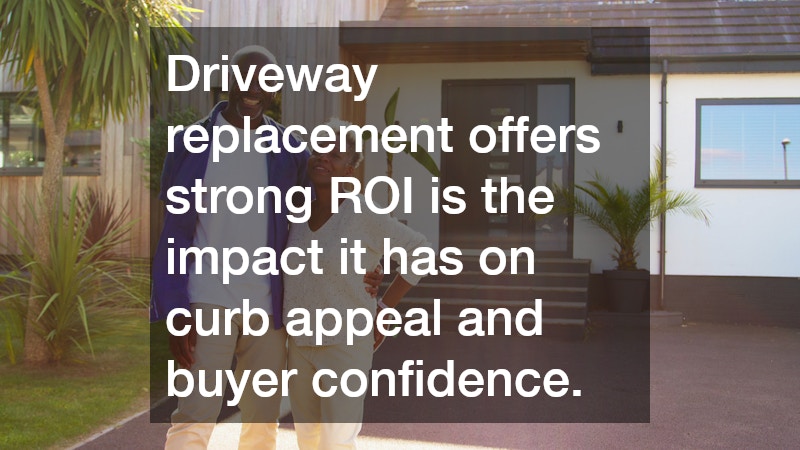
One of the biggest reasons driveway replacement offers strong ROI is the impact it has on curb appeal and buyer confidence. Real estate professionals often emphasize that a home’s exterior condition strongly influences first impressions. A newly installed driveway signals that the property has been well cared for, making buyers more comfortable with the overall condition of the home.
A damaged driveway, on the other hand, can lower perceived value and create concerns about neglected maintenance. Upgrading the driveway removes these barriers and can even contribute to a better appraisal outcome. Because appraisers frequently note exterior condition in their assessments, a new driveway can strengthen the home’s overall valuation, particularly when it corrects drainage or structural issues.
Long-Term Savings and Reduced Maintenance Costs
Another advantage is the reduction in future repair expenses. Modern paving materials and installation techniques allow today’s asphalt surfaces to last much longer than those installed decades ago. A new driveway typically requires only periodic sealing and simple upkeep, which is far more affordable than patching cracks or dealing with structural issues on an aging driveway. These long-term savings contribute to the overall ROI, making driveway replacement one of the more practical and financially beneficial exterior improvements a homeowner can make.
Assessment and Planning Before Installation
Before work begins, experienced asphalt companies perform a detailed evaluation of the existing driveway. This includes checking the condition of the base, identifying drainage issues, reviewing soil composition, and measuring the extent of structural deterioration. This assessment helps determine whether the project requires full removal, partial rebuilding, or additional stabilization.
Homeowners often collect multiple estimates during this stage, sometimes comparing local providers such as an asphalt company Kansas City MO with others in their region. This helps establish cost expectations and ensures the project aligns with long-term value goals.
Removing the Old Driveway
Once planning is complete, the old driveway is removed using machinery that breaks the asphalt into manageable pieces. These pieces are hauled away for recycling, contributing to more sustainable home improvement practices. The removal process also exposes the foundation beneath the old asphalt.
If the base layer is unstable or composed of improper materials, it must be excavated further. A strong, well-prepared base is essential to the long-term durability of the new driveway, making this one of the most important steps in securing ROI. Homeowners sometimes underestimate this phase, but it is foundational to the project’s success.
Rebuilding the Base and Ensuring Proper Drainage
With the old material removed, a new base of crushed stone or gravel is installed. Proper compaction prevents future shifting or sinking, while correct grading ensures water flows away from both the home and the driveway. Good drainage is critical because water penetration and pooling are two of the leading causes of driveway failure. Thorough base preparation directly impacts the lifespan of the driveway and therefore the overall financial return homeowners can expect.
Installing the New Asphalt Surface
Once the base is ready, hot asphalt is poured and evenly spread across the driveway. Skilled technicians monitor the temperature, thickness, and compaction throughout the process. Rollers compress the asphalt to remove air pockets, creating a harder, more resilient surface.
Reputable asphalt companies follow strict standards to ensure longevity and structural performance. These quality practices help reduce future maintenance needs and prevent premature cracking, which protects the homeowner’s investment over time.
Curing and Post-Installation Care
After installation, the driveway enters a curing phase. Homeowners are generally advised to avoid driving on the surface for several days. Over the next several weeks, the asphalt continues to harden internally. Many homeowners choose to apply a seal coat several months later, once curing is complete. Sealcoating provides added protection against oils, weather, and wear.
Proper maintenance—such as regular sealing, avoiding excessive stationary loads, and using gentle snow-removal tools—can significantly extend the life of the driveway. These habits help protect the investment and support long-term ROI.
Choosing the Right Professional for Maximum ROI
Selecting the right installer is essential. Experienced asphalt companies understand how soil conditions, climate factors, and proper compaction techniques influence the driveway’s performance. Because the driveway is such a visible and functional part of a property, choosing a reputable company can dramatically impact both longevity and property value.
Replacing an aging asphalt driveway is more than simple maintenance—it’s a strategic investment that improves curb appeal, increases home value, and reduces future repair costs. With proper planning, skilled installation, and thoughtful maintenance, homeowners can achieve a long-lasting improvement that continues to provide strong ROI for many years.