
Why Is My AC Not Blowing Cold Air? Common Issues and When to Call a Repair Technician
Understanding why your air conditioning unit is not blowing cold air can be challenging. This article delves into the common issues that may cause this problem and helps you determine when it’s time to contact a professional for ac repair.
What Are the Common Causes of an AC Not Blowing Cold Air?
Low Refrigerant Levels
Low refrigerant levels are a common reason your AC might not be blowing cold air. Refrigerant is the lifeblood of your air conditioning unit, and without sufficient amounts, the cooling process cannot occur effectively.
When leaks are present in your AC system, the refrigerant escapes, leading to lower levels and, consequently, reduced performance. Common causes of leaks include corrosion of coil parts and connectors.
Regular maintenance helps in detecting early signs of refrigerant leaks before they exacerbate into bigger issues. It is essential to address these leaks promptly, as refrigerant is crucial for the efficient operation of the AC system.
Dirty Air Filters
Air filters are essential components in maintaining the efficiency and performance of your air conditioning unit. When these filters become clogged with dust and debris, airflow is significantly impeded.
A dirty air filter can cause your system to work harder, leading to increased energy consumption and wear on the unit. Replacing or cleaning the air filters regularly can greatly enhance your AC’s performance.
Clogged filters can sometimes lead to additional issues, such as frozen coils or insufficient cooling output. Ensuring clean filters is an easy yet effective way to maintain optimum cooling efficiency.
How Do Weather Conditions Affect AC Performance?
Extreme Heat and AC Efficiency
Extreme heat presents a significant challenge to the cooling capabilities of air conditioning units. High temperatures can cause your AC system to work overtime, thereby reducing its efficiency.
In such conditions, it can be difficult for AC units to maintain desired indoor temperatures, leading to inadequate cooling. This stress not only affects performance but could also shorten the lifespan of the unit.
Installing awnings or using shades to block direct sunlight can help reduce the heat load on your AC. Proper insulation in your home is also a vital factor in supporting your AC’s efficiency during extreme heat.
Humidity and Its Impact on Cooling
Humidity plays a crucial role in how well your AC can cool your home. High humidity levels are challenging because they increase the cooling load on your AC unit.
The air conditioner not only has to cool the air but also remove excess moisture, increasing the energy consumption and potentially leading to less effective cooling. A properly sized AC unit can help manage humidity levels better.
Using a dehumidifier in conjunction with your AC can improve cooling efficiency by removing excess moisture from the air. This can lead to a more comfortable indoor environment, even when temperatures are high.
When Should You Call a Repair Technician?
Identifying Electrical Problems
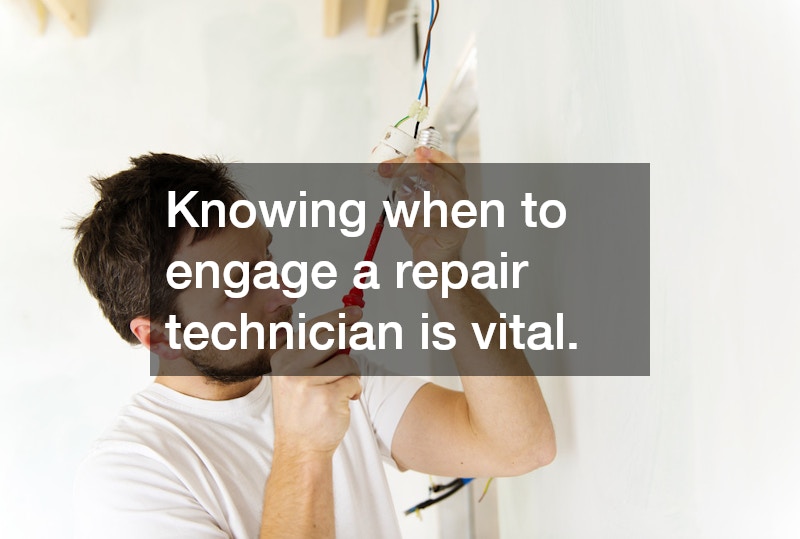
Electrical issues are another reason why an air conditioning unit may not blow cold air. Problems such as a malfunctioning thermostat or faulty wiring require professional attention due to the complexities involved.
Attempting to diagnose or repair electrical issues without the proper expertise can lead to safety risks or further damage to the system. A certified technician can accurately identify and remedy the problem.
If you notice frequent circuit breaker trips or an unresponsive thermostat, it’s wise to call a technician immediately. Electrical problems, if left unattended, can escalate into more severe issues and cause system failure.
Recognizing Inefficient AC Components
Various components within your AC unit can fail, leading to an inability to produce cold air. Elements like the compressor or condenser play significant roles in the cooling cycle.
One critical thing to watch for is the signs of a bad AC compressor. These can include unusual noises, weak airflow, warm air coming from vents, or the system short-cycling. Identifying these signs early helps prevent further damage and reduces energy waste.
When these components malfunction, the overall efficiency of the unit is compromised, and professional diagnosis is necessary to determine the exact cause. In some cases, replacement of the component may be required to restore functionality.
Regular checks by a repair technician can help ensure all parts are functioning correctly and prevent potential failures. Early intervention can often save you from more costly repairs down the line.
Conclusion
Timely identification and understanding of common air conditioning issues can prevent larger problems and facilitate quicker repairs. Knowing when to engage a repair technician is vital for maintaining an efficiently functioning air conditioning system.