

-
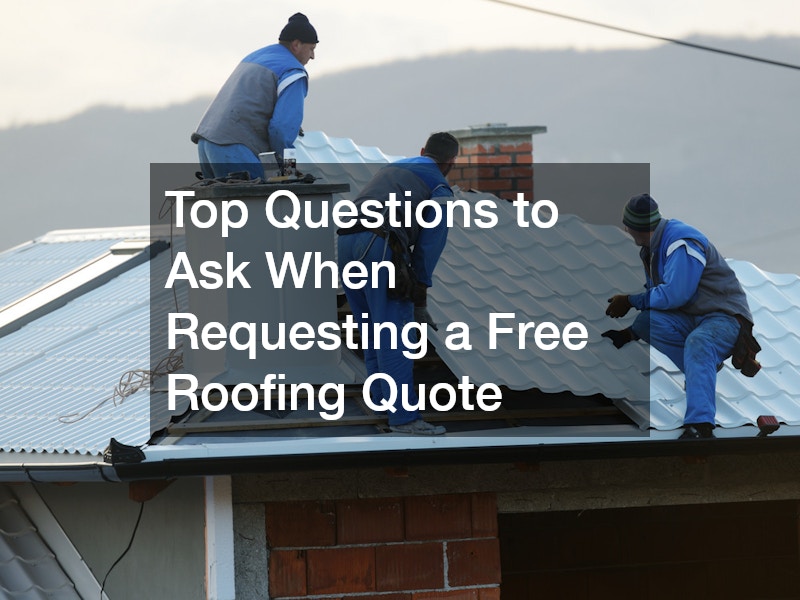
Always get at least 2–3 free estimates from different residential roofing contractors to compare pricing, professionalism, and proposed solutions.
-
Ask for detailed, itemized quotes that include labor, materials, cleanup, warranty terms, and a clear payment schedule—never accept vague or one-line estimates.
-
Verify credentials by asking for licenses, insurance, certifications, and references to ensure you’re working with a reputable and experienced roofing company.
-
Understand the full scope of work by asking about inspections, materials used, ventilation, and whether a complete tear-off is included.
-
Discuss warranties in detail, including workmanship and material coverage, and get everything in writing to avoid surprises later.
-
Watch for red flags like unusually low bids, lack of documentation, or pressure to sign quickly—these often indicate unreliable or unqualified contractors.
A Homeowner’s Checklist for Clear, Accurate, and Honest Roofing Estimates
When your home’s roof starts showing signs of wear—whether it’s cracked shingles, leaks, or sagging—it’s time to reach out to a residential roofing contractor for help. One of the most common first steps is to request a free roofing quote. It’s an essential part of the decision-making process that helps homeowners compare costs, understand the scope of work, and assess the professionalism of each contractor.
But here’s the problem: many homeowners don’t know what to look for in a quote—or what questions to ask during the estimate process. Roofing is a technical field, and residential roofers vary widely in experience, pricing, and service quality. A free quote is only useful if you know how to read between the lines and ask the right questions.
This guide will walk you through the most important and specific questions to ask when requesting a roofing estimate. It’s designed for homeowners who want transparency, accuracy, and confidence before signing any contracts.
Why You Should Always Get Multiple Free Roofing Quotes
Even if you’re dealing with an emergency roof leak or visible damage, don’t settle for the first estimate you receive. Comparing multiple bids from different residential roofing contractors is not only smart—it’s critical to protecting your investment and avoiding common pitfalls.
Benefits of requesting multiple quotes:
-
Price accuracy: Each roofing contractor might calculate costs differently based on labor, overhead, materials, or even how busy they are. By collecting several estimates, you gain a realistic view of what your roof replacement or repair should cost.
-
Project clarity: You’ll notice that not all roofing companies propose the same solution. One roofer may suggest a complete tear-off and replacement, while another might recommend targeted repairs. Understanding these differences helps you choose the right approach.
-
Professionalism check: The quoting process itself gives you a window into how the company works—whether they’re on time, communicative, detail-oriented, or evasive.
-
Leverage in negotiation: Having other offers can help you negotiate better terms or upgrades with your chosen roofing contractor.
-
Spotting outliers: If one quote is significantly lower or higher than the others, it’s often a red flag that should prompt more questions.
What a Free Roofing Estimate Should Include
Before diving into the specific questions, it’s important to understand what a professional quote from a licensed residential roofing contractor should include. A trustworthy roofing company will never hand you a one-line price. Instead, they should deliver a detailed, itemized document that outlines every part of the project.
A complete roofing estimate should include:
-
Full project scope: Details of whether it’s a full roof replacement, partial reroofing, or repair. It should outline the specific area to be addressed and the reason for the recommendation.
-
Materials list: Information on the type and brand of shingles or other roofing materials, underlayment, ice/water shield, flashing, ventilation systems, and fasteners. Good roofers use products from reputable manufacturers like GAF, Owens Corning, or CertainTeed.
-
Labor charges: Clear explanation of labor costs, including whether they include tear-off, disposal, and installation. Some companies charge per square foot, others provide flat-rate bids.
-
Permits and inspections: Notes on whether the roofing contractor will obtain necessary building permits and schedule required inspections, along with any fees involved.
-
Timeline: Estimated start and completion dates, including weather contingencies or weekend work.
-
Cleanup and disposal: What’s included in terms of removing old roofing materials, site cleanup, and how they’ll protect landscaping.
-
Warranty information: Details on manufacturer warranties for materials and workmanship guarantees provided by the contractor.
-
Payment schedule: A clear breakdown of deposits, progress payments, and when final payment is due.
If any of this information is missing or unclear, you should ask for clarification during the quote process.
Smart Questions to Ask When Requesting a Free Roofing Quote
Asking the right questions helps you avoid hidden costs, unfinished work, or poor-quality installation. Below are the most essential questions to ask your residential roofing contractor, broken down by category.
A. Contractor Qualifications and Experience
Before you allow anyone on your roof—or even consider their price—you should make sure they’re qualified to do the work legally and professionally.
Key questions to ask:
-
Are you licensed and insured to operate as a residential roofing contractor in this state?
-
Ask for license numbers and proof of both liability insurance and workers’ compensation.
-
-
How many years have you been in the residential roofing industry?
-
Look for companies with at least 5–10 years of proven local experience.
-
-
Can you provide references from recent projects in my area?
-
Ask for addresses or photos of past work to verify their experience with similar homes.
-
-
Are you certified by any major roofing manufacturers?
-
Certifications from GAF, CertainTeed, or Owens Corning mean the contractor meets strict training and performance standards.
-
Why this matters:
Verifying these credentials helps you avoid fly-by-night roofers, storm chasers, and uninsured operations that leave homeowners with unpaid claims or poor results.
B. Project Scope and Inspection Process
Make sure the roofing professional has conducted a full inspection and understands the condition of your roof before quoting a price.
Ask:
-
Did you inspect the attic, decking, flashing, and ventilation systems?
-
Do you recommend a complete replacement or targeted repairs? Why?
-
Will you be removing the old roofing materials completely or installing over the existing layer?
-
Will any additional repairs (e.g., to decking or fascia boards) be included in the estimate or charged separately?
Why this matters:
A surface-level inspection can miss hidden problems like rotted decking or improper ventilation. Accurate quotes start with thorough evaluations.
C. Roofing Materials and Installation Techniques
The quality of materials and how they’re installed directly impacts your roof’s longevity.
Ask:
-
What type and brand of roofing materials will you use?
-
Make sure the brand is known and the type (e.g., architectural shingles vs. 3-tab) suits your climate and budget.
-
-
Will you install new flashing, underlayment, and a drip edge?
-
How will you address roof ventilation?
-
Poor ventilation can lead to moisture damage and void warranties.
-
-
Do you follow manufacturer guidelines for installation to ensure warranty validity?
Why this matters:
Subpar materials or improper installation can lead to premature failure, costly repairs, or denied warranty claims.
D. Cost Transparency and Payment Terms
You need to know exactly what you’re paying for—and when.
Ask:
-
Can I see a detailed, itemized breakdown of all costs?
-
What could cause the final price to increase after work begins?
-
Is this a fixed-price quote, or subject to change based on labor or material costs?
-
What is your payment schedule and deposit policy?
Why this matters:
Transparent pricing and a written payment plan prevent misunderstandings and protect you from unexpected charges.
E. Warranties and Guarantees
Always get the specifics in writing.
Ask:
-
What warranty do you offer on labor/workmanship?
-
What’s the length of the manufacturer’s warranty on materials?
-
What voids the warranty, and who handles warranty claims if something goes wrong?
-
Is the warranty transferable if I sell my house?
Why this matters:
Longer warranties and clear terms protect your investment and increase your home’s resale value.
F. Project Management and Timeline
Understanding how the job will be managed ensures fewer surprises during installation.
Ask:
-
When can you start, and how long will the project take?
-
Who will supervise the crew on-site?
-
Will your employees or subcontractors do the work?
-
How do you handle weather-related delays?
Why this matters:
Consistent crews, strong communication, and realistic timelines are signs of a professional residential roofing company.
G. Clean-Up, Safety, and Property Protection
A roofing job affects more than just your roof—it impacts your yard, driveway, and family life.
Ask:
-
How will you protect landscaping, driveways, and windows during the project?
-
Do you use a magnet roller to pick up nails and metal debris after the job?
-
Will you provide a post-job cleanup checklist?
-
Do you have safety protocols for your crew and my family?
Why this matters:
You shouldn’t have to worry about broken plants, nails in the lawn, or garbage left behind.
Red Flags to Watch for in Free Roofing Estimates
Even if a quote looks good on paper, be cautious if you notice any of these signs:
-
Vague or missing details on the estimate
-
Pressure to sign immediately or make a large deposit
-
No insurance or licensing documentation provided
-
Unwillingness to put verbal promises into a written contract
-
Extremely low pricing that seems unrealistic
Always trust your instincts. If something feels off, get another quote from a more reputable roofing contractor.
How to Compare Roofing Quotes Side-by-Side
Once you’ve gathered 2–3 estimates, create a comparison chart with the following categories:
| Feature | Roofer A | Roofer B | Roofer C |
|---|---|---|---|
| Licensed/Insured | Yes | Yes | No |
| Warranty (Labor/Materials) | 10 / 30 years | 5 / 20 years | None listed |
| Price | $9,850 | $10,400 | $8,200 |
| Materials | GAF Timberline | Owens Corning | Unspecified asphalt |
| Estimated Completion Time | 4 days | 3 days | 5+ days |
Use this chart to assess which roofing company offers the best combination of value, service, and quality.
Requesting a free roofing quote is more than just asking for a price—it’s your chance to evaluate the expertise, professionalism, and transparency of each residential roofing contractor. By asking smart, informed questions and reviewing every detail, you’ll be in the best position to protect your home and budget.
Don’t rush. Take the time to research, compare, and select a roofing professional who is qualified, communicative, and committed to doing the job right the first time.