
As energy costs continue to rise and sustainability becomes more important, homeowners are increasingly seeking practical ways to make their homes more efficient. Fortunately, improving your home’s efficiency doesn’t always require a major renovation or a hefty budget. With just a few tools, basic skills, and a weekend of work, you can complete a variety of simple projects that lower utility bills and increase comfort.
This guide explores 10 beginner-friendly DIY home improvement projects that are easy to do and offer real savings over time.
1. Seal Drafts Around Windows and Doors
Even the smallest gaps around windows and doors can lead to significant energy loss. Air leaks cause your HVAC system to work harder, increasing your energy bills.
How to fix it:
- Use weatherstripping tape for windows and adhesive foam for doors.
- Apply clear caulk to fill gaps around window frames.
- Install door sweeps at the bottom of exterior doors.
Sealing air leaks is an inexpensive project that can be completed in an afternoon and pays off quickly in lower energy bills.
2. Install LED Light Bulbs

Switching to energy-efficient lighting is one of the easiest ways to cut electricity usage. LED bulbs use up to 80% less energy than traditional incandescent bulbs and last much longer.
Tips:
- Replace frequently used lights first, such as in the kitchen, living room, and bathrooms.
- Look for ENERGY STAR-rated LED bulbs for maximum efficiency.
This upgrade can save the average household over $100 annually on energy bills.
3. Add a Programmable Thermostat
Programmable thermostats help manage your heating and cooling systems more efficiently by automatically adjusting temperatures based on your daily routine.
Benefits:
- Set lower temperatures when you’re asleep or away.
- Save up to 10% per year on heating and cooling costs.
- Many models are easy to install in under an hour.
If you want to take it a step further, consider a smart thermostat for remote control and usage insights.
4. Use Reflective Window Film
Reflective window film can reduce heat gain from the sun, helping to keep your home cooler in summer and easing the load on your air conditioner.
Installation steps:
- Clean the window thoroughly.
- Measure and cut the film to size.
- Apply using a squeegee to prevent bubbles.
This simple DIY project can improve your comfort and cut cooling costs during the warmer months.
5. Insulate Your Water Heater
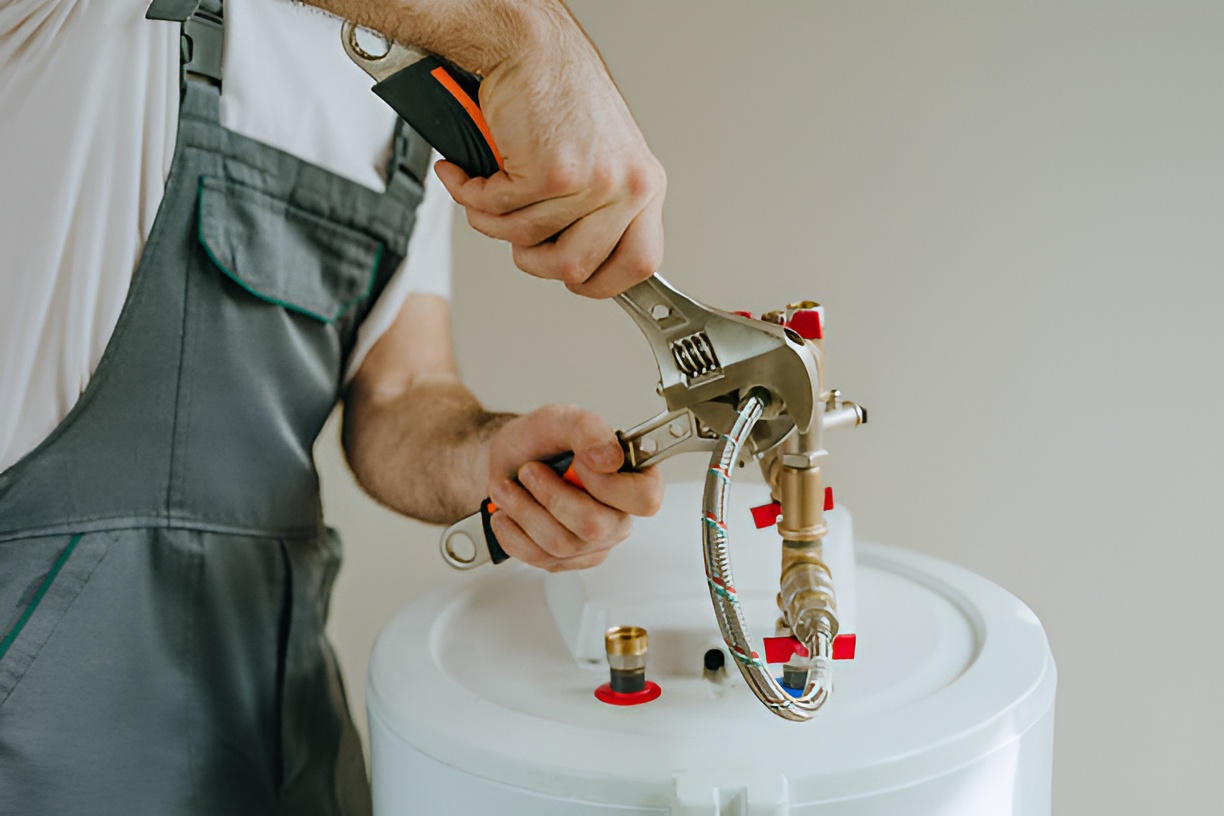
A water heater insulation blanket helps reduce standby heat loss, especially if your water heater is located in an unconditioned space like a garage or basement.
What you’ll need:
- An insulation blanket kit (available at most hardware stores).
- A utility knife and tape for fitting.
This project can be completed in less than an hour and can improve your heater’s efficiency by up to 9%.
6. Install Low-Flow Showerheads and Faucets
Reducing water use not only conserves resources but also cuts down on your energy bills, especially if you use a hot water heater.
Why it matters:
- Low-flow fixtures can reduce water use by 30–50%.
- Installation is simple and requires minimal tools.
These upgrades often pay for themselves within a few months through water and energy savings.
7. Clean Refrigerator Coils
Over time, dust and debris collect on your fridge’s condenser coils, making it work harder and consume more energy.
How to clean them:
- Unplug the refrigerator.
- Use a coil brush or vacuum cleaner to remove dust.
- Clean at least twice a year.
This small maintenance task can improve your appliance’s efficiency and extend its lifespan.
8. Switch to Smart Power Strips
Many electronics draw power even when turned off. Smart power strips cut off electricity to devices that aren’t in use.
Features to look for:
- Timer-based or motion-sensor strips.
- Master-controlled outlets for grouped electronics.
They’re easy to install and can save up to $200 per year in phantom energy costs.
9. Add Attic Insulation

While adding insulation may sound like a big job, topping off existing attic insulation is surprisingly beginner-friendly, especially if your attic has open access.
Tips:
- Use rolls or batts of fiberglass insulation.
- Wear protective gear like gloves, a mask, and long sleeves.
Proper insulation prevents heat from escaping in winter and entering in summer, significantly improving overall home efficiency.
10. Try These Extra DIY Home Improvement Hacks
Once you’ve tackled the big savers, consider these quick and easy DIY home improvement hacks to boost your home’s efficiency further:
- Replace old weathered door thresholds.
- Use thermal blackout curtains to retain indoor temperatures.
- Add outlet gaskets to exterior wall sockets to block drafts.
- Use light-colored paint to reflect light and reduce the need for artificial lighting.
These small changes are great for beginners and can be completed with minimal tools and investment.
Why These DIY Home Improvement Projects for Beginners Work
When it comes to improving your home’s efficiency, you don’t need a contractor or a full remodel. These DIY home improvement projects for beginners are affordable, straightforward, and highly effective. From cutting energy waste to reducing water consumption, each task helps you build a more sustainable, comfortable, and cost-effective home.
Whether you’re sealing gaps, installing smart devices, or updating lighting, remember: small changes really can lead to big savings. Start with one project, build your confidence, and enjoy the results—not just on your utility bills, but in your day-to-day home life.