
- A failing AC compressor increases energy consumption, raises bills, and reduces cooling efficiency.
- Early signs of compressor trouble include unusual noises, weak airflow, warm air from vents, and frequent cycling.
- DIY checks like listening for sounds, feeling airflow, and monitoring energy bills can help detect problems before they escalate.
- Common causes of compressor failure include electrical issues, low refrigerant, clogged coils, overuse, and poor maintenance.
- Ignoring compressor issues can lead to system failure, reduced indoor air quality, and costly repairs.
- Regular maintenance—cleaning filters, inspecting components, and scheduling professional check-ups—extends compressor life.
- Prompt repair or replacement decisions can protect your HVAC system, prevent energy waste, and maintain comfortable indoor temperatures.
When summer heat hits, your air conditioner becomes the unsung hero of your home. But if your AC isn’t running efficiently, it can quietly inflate your energy bills while leaving you sweaty and frustrated. One of the most common culprits behind these problems is a failing AC compressor. Knowing how to tell if AC compressor is bad before it spikes your energy usage can save you money, prevent major repairs, and keep your home comfortable year-round.
What Exactly Does an AC Compressor Do?
Before diving into the warning signs, it’s helpful to understand what the compressor actually does. Think of the compressor as the heart of your air conditioning system. It:
- Pressurizes and circulates refrigerant throughout the system
- Enables heat exchange so cool air can be delivered into your home
- Works in tandem with other components like coils, fans, and thermostats
When the compressor is failing, the entire system struggles to perform, which often leads to higher energy consumption and uneven cooling.
Why a Failing Compressor Spikes Energy Usage

A damaged compressor forces your AC to work harder to achieve the same cooling effect. This inefficiency doesn’t just result in warmer rooms—it also leads to:
- Increased electricity bills
- Shorter lifespan of other AC components
- More frequent repairs and downtime
Recognizing a failing compressor early is one of the best ways to maintain your home’s comfort while practicing smart energy efficiency hacks.
How Do You Know Your AC Compressor Is Failing?
Many homeowners assume that minor AC quirks—extra noise, uneven cooling, or slightly higher bills—are normal. But these are often early warning signs of compressor trouble. Catching these issues early can prevent expensive repairs, maintain comfort, and avoid spiking your energy usage.
Unusual Noises
Your AC is designed to operate quietly, so any new or unusual sounds should be taken seriously. Grinding, rattling, or hissing coming from the outdoor unit often indicates internal problems.
- Grinding or rattling: This can suggest worn bearings or loose components inside the compressor. If left unchecked, it can lead to complete failure of the unit.
- Hissing or bubbling: These noises are usually a sign of refrigerant leaks, which reduce cooling efficiency and put extra strain on the compressor.
- Buzzing or clicking: Electrical issues within the compressor can create buzzing sounds and may indicate overheating or short circuits.
Tip: If you hear persistent unusual noises, schedule a professional inspection. Early intervention can prevent major energy losses and damage.
Weak Airflow
Strong, steady airflow is essential for efficient cooling. If you notice that vents aren’t blowing as forcefully as before, your compressor may not be circulating refrigerant properly.
- Reduced airflow: This often means the compressor is struggling to maintain pressure. The system has to work harder to reach the thermostat setting, consuming more energy.
- Uneven airflow: Some rooms may be cooler than others, which is another indicator that the compressor is failing to distribute refrigerant evenly.
Tip: Clean your filters and clear vents first, but if weak airflow persists, it’s likely a compressor issue that needs professional attention.
Warm Air from Vents
Your AC’s primary job is to remove heat from your home. If warm or slightly warmer-than-usual air is coming out of your vents, your compressor could be failing.
- Partial cooling: Sometimes, the system produces some cold air but cannot sustain it. This is a sign that the compressor is underperforming.
- No cooling at all: In severe cases, a failing compressor cannot move refrigerant at all, causing the system to blow only warm air.
Tip: Combine this observation with other signs like weak airflow or unusual noises to confirm a potential compressor problem before it impacts energy efficiency.
Frequent Cycling
AC units should run in steady, consistent cycles—turning on to cool your home, then turning off once the desired temperature is reached. If your system is short-cycling, it may indicate a struggling compressor.
- Short bursts of cooling: Frequent on/off cycles force the AC to restart often, which consumes significantly more electricity.
- Overheating: The compressor may overheat due to repeated start-ups, leading to further damage and reduced lifespan.
Tip: Monitor your thermostat and notice if the AC is running more than usual or failing to maintain a consistent temperature. Short-cycling is a strong indicator that professional intervention is needed.
Subtle Signs to Watch For
Sometimes compressor issues are less obvious but equally important:
- Rising energy bills: Unexpected increases in electricity costs can indicate that your system is working harder than it should due to a failing compressor.
- Hot spots in your home: Certain rooms may stay warmer than others despite thermostat adjustments, a sign of uneven refrigerant flow.
- Ice on refrigerant lines: Low refrigerant levels or compressor strain can cause condensation to freeze, reducing cooling efficiency.
Recognizing these early-warning signs allows you to address compressor issues before they escalate into costly repairs, wasted energy, and uncomfortable indoor temperatures.
Can a Homeowner Inspect the AC Compressor?
While certain components of your AC should only be handled by licensed technicians, there are basic checks homeowners can do:
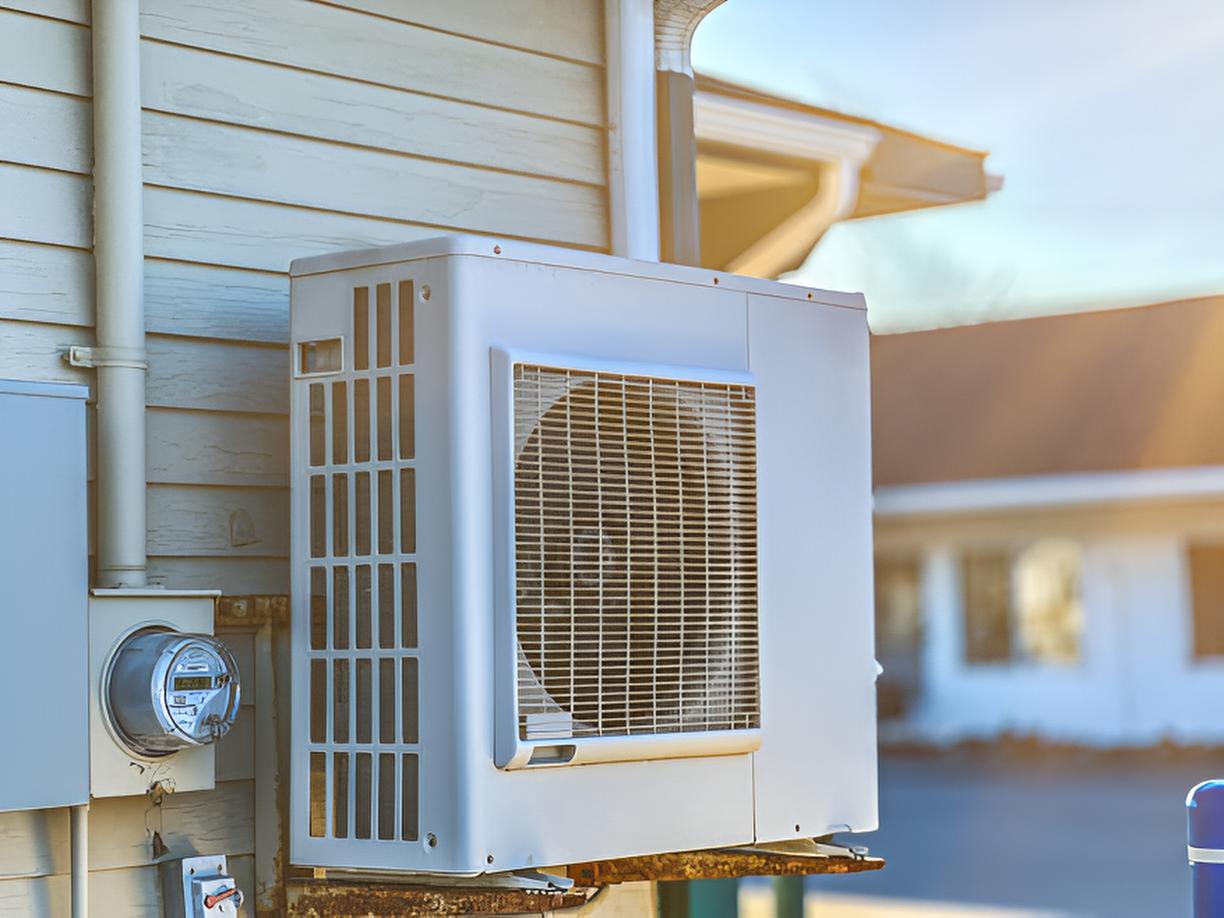
- Inspect the outdoor unit for debris and dirt accumulation
- Check the circuit breaker to ensure it hasn’t tripped
- Look for visible signs of wear or leakage around the compressor
Even these small inspections can help you identify issues early and prioritize professional maintenance.
How to Tell If AC Compressor Is Bad Without Calling a Technician
While some AC issues require a licensed HVAC professional, there are a few DIY checks you can safely perform to get a sense of whether your compressor may be failing. These steps help you catch problems early and can prevent unnecessary energy waste.
Listen Carefully
Your AC should run smoothly and relatively quietly. Stand near your outdoor unit and pay attention to any new or unusual sounds.
- Humming or buzzing: A slight hum is normal, but a loud or unusual buzz may indicate the compressor motor is struggling.
- Clanking or rattling: Loose parts or internal wear can produce these sounds. Addressing them early can prevent complete failure.
- Hissing or bubbling: This may indicate a refrigerant leak, which reduces cooling efficiency and forces the compressor to work harder.
Feel the Airflow
Checking airflow from your vents is one of the simplest ways to assess compressor performance.
- Compare vent output to previous seasons. Weak airflow often points to an inefficient or failing compressor.
- Uneven airflow across rooms can suggest the compressor is not maintaining proper refrigerant pressure.
- Make sure filters are clean before assessing airflow, as clogged filters can mimic compressor issues.
Monitor Energy Bills
Your electricity bills are a useful diagnostic tool. A sudden spike without a change in usage patterns may indicate that your AC is running inefficiently.
- Increased runtime or short-cycling can cause your system to consume far more electricity.
- Tracking monthly energy bills over time helps you identify inefficiencies before they become costly.
Note: These DIY checks don’t replace professional inspection but are valuable for spotting early warning signs and preventing further damage.
What Causes an AC Compressor to Fail?
Understanding the common causes of compressor failure can help you take preventive measures and make home maintenance priorities more effective.
Electrical Issues
Power surges, faulty wiring, or poor electrical connections can damage the compressor motor. Even minor voltage fluctuations can stress the system over time, reducing its lifespan. Using surge protectors and ensuring proper wiring can prevent these problems.
Low Refrigerant
Leaks or low refrigerant levels cause the compressor to work harder to maintain cooling. Over time, this extra strain can lead to mechanical failure. Regular checks for refrigerant levels are an essential part of preventing costly repairs.
Clogged or Dirty Coils
Dirty condenser or evaporator coils reduce the system’s ability to transfer heat efficiently. When heat exchange is impaired, the compressor has to work harder, which increases wear and energy consumption. Routine cleaning and coil maintenance are crucial.
Overuse
During extremely hot months, continuous operation can accelerate wear on the compressor. Systems that run non-stop without rest are more likely to fail prematurely. Implementing energy-saving habits, such as programming thermostats efficiently, can reduce unnecessary strain.
Other Contributing Factors
- Poor ventilation around the outdoor unit
- Blocked or restricted ducts
- Lack of regular professional maintenance
By understanding these causes, homeowners can prioritize home maintenance priorities more effectively, extending the life of their compressor and keeping energy usage in check.
Energy Efficiency and a Failing Compressor
A malfunctioning compressor is more than just a minor inconvenience—it’s an energy drain. Systems that struggle to cool efficiently consume significantly more electricity. Incorporating energy efficiency hacks such as sealing ducts, regular filter replacement, and proper insulation can help mitigate waste, but a failing compressor must still be addressed promptly.
What Are the Hidden Costs of Ignoring Air Conditioning Problems?
Ignoring air conditioning problems can have consequences far beyond discomfort. Beyond skyrocketing energy bills, you may encounter:
- Complete system failure, requiring expensive replacement
- Reduced indoor air quality due to inadequate airflow
- Stress on other components, leading to further damage
Early detection saves both money and hassle.
When to Call a Professional
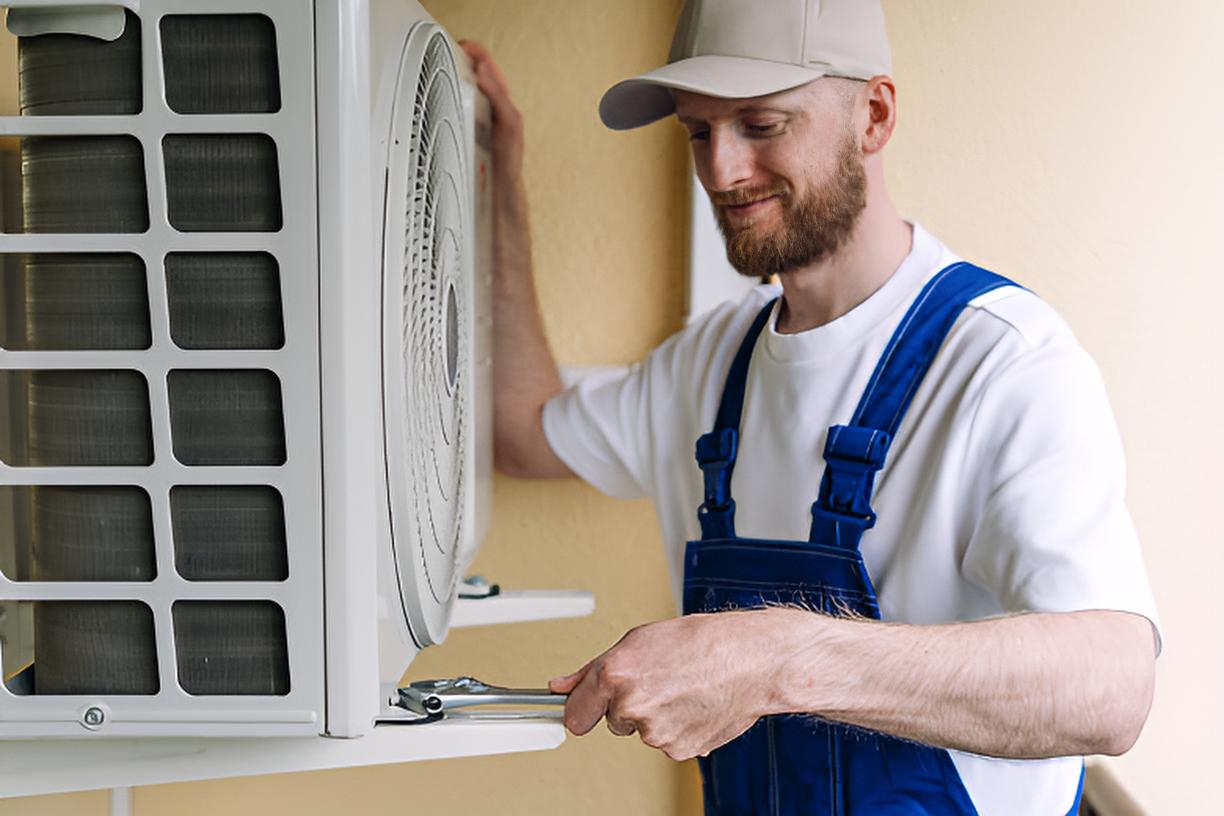
Even with careful observation, it’s often impossible for homeowners to diagnose the exact compressor issue. Call a licensed HVAC technician if you notice:
- Persistent warm air or weak airflow
- Strange noises coming from the compressor
- Sudden spikes in energy usage without explanation
- Refrigerant leaks or visible oil stains
Technicians can run advanced diagnostics, measure pressures, and safely repair or replace the compressor if needed.
Preventative Steps to Avoid Compressor Damage
Regular Maintenance Checklist
- Schedule annual AC inspections
- Replace or clean filters monthly during peak usage
- Keep the outdoor unit clear of debris
- Ensure proper refrigerant levels
- Inspect wiring and connections
By staying on top of these tasks, you not only extend the life of your compressor but also improve overall energy efficiency.
What Are the Signs You Need an Air Conditioner Repair?
Some symptoms go beyond simple inefficiency. Recognizing signs you need an AC repair early helps avoid full system failure:
- Water pooling around the indoor unit
- Foul odors or unusual smells from vents
- Inconsistent cooling across rooms
- AC running continuously without reaching set temperature
Addressing these issues promptly keeps your AC running smoothly and energy bills manageable.
How to Avoid Future Compressor Problems
Once you’ve repaired or replaced a failing compressor, you can extend its lifespan by:
- Maintaining a consistent thermostat schedule
- Avoiding setting temperatures too low during peak heat
- Cleaning coils and removing debris from the outdoor unit
- Investing in surge protection to prevent electrical damage
These habits protect your investment and maintain optimal energy efficiency.
How a Failing Compressor Affects Your Entire HVAC System
A struggling compressor doesn’t just impact cooling—it affects every part of your system:
- Increased wear on fan motors
- Overheated electrical components
- Reduced efficiency in heat exchange
- Greater likelihood of future breakdowns
Addressing compressor issues early safeguards the health of your entire HVAC system.
Cost Considerations: Repair vs Replacement
When a compressor fails, you might wonder whether to repair or replace:
- Repair: Suitable for minor electrical or mechanical faults; typically cheaper.
- Replacement: Recommended for severe or recurring failures; higher upfront cost but long-term savings.
Consider the age of your AC system, energy efficiency improvements, and potential future repairs when making a decision.
Tips for Monitoring AC Performance Year-Round
Keeping tabs on your AC throughout the year prevents surprises:
- Track monthly energy usage
- Listen for unusual sounds regularly
- Check airflow consistency
- Inspect refrigerant lines for leaks
Early attention helps catch problems before they escalate into major energy-wasting issues.
FAQs About AC Compressors and Energy Usage
Q: Can a failing compressor completely stop my AC from cooling?
A: Yes, if the compressor fails entirely, the system will not be able to circulate refrigerant, resulting in no cooling.
Q: Will repairing a compressor lower my energy bills?
A: Absolutely. A properly functioning compressor reduces system strain, which directly improves energy efficiency.
Q: How long does an AC compressor last?
A: Typically 10–15 years, depending on usage, maintenance, and environmental factors.
Q: Can I replace a compressor myself?
A: Compressor replacement is highly technical and dangerous due to high voltage and refrigerant handling. Always hire a certified technician.
Wrapping Up
Knowing how to tell if AC compressor is bad before it spikes your energy usage is essential for comfort, energy savings, and long-term HVAC health. By observing early warning signs, performing basic inspections, and staying on top of routine maintenance, homeowners can avoid costly repairs and maintain a system that works efficiently all year long.