
How Are Metal Spiral Staircases Fabricated?
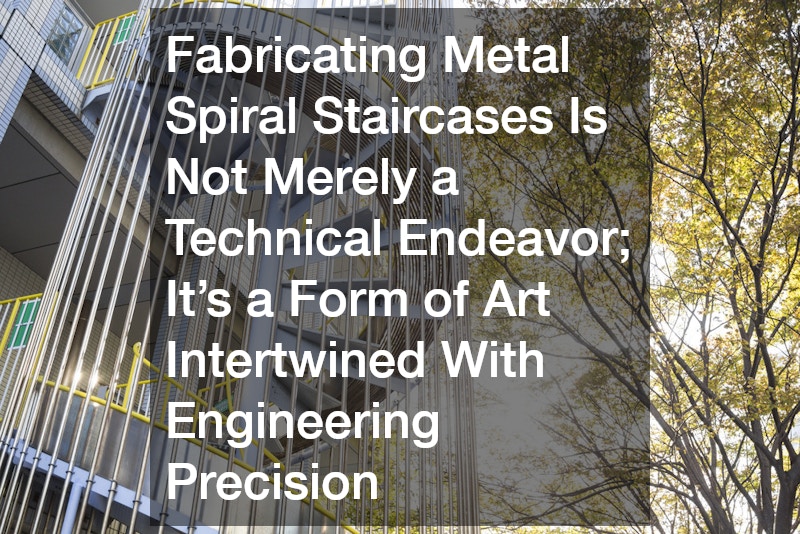
Metal spiral staircase fabricator is not merely a technical endeavor; it’s a form of art intertwined with engineering precision. The process begins with a design that considers both aesthetic aspirations and structural mandates. Every curve and twist of a spiral staircase must be meticulously planned to align with the architectural integrity of the space it will reside in.
This initial design phase is crucial, as it sets the foundation for all subsequent steps in the fabrication process.
Once the design is established, fabricators move into the material selection phase. This involves choosing metals that can withstand structural demands while also being malleable enough to achieve the desired shape. The metal is then cut, bent, and formed into the specific dimensions required for each component of the staircase. Precision is key during this stage, as even the slightest miscalculation can affect the structural integrity and visual harmony of the staircase.
The assembly phase is where the staircase begins to take its iconic spiral form. Expert welders and craftsmen work together, using specialized tools and techniques to connect each part of the staircase. Attention to detail is paramount, ensuring that each step is uniform and securely attached, both for safety and aesthetic appeal. The final product is not just a functional architectural element, but a testament to the craftsmanship involved in its creation.
Steps in the Fabrication Process
The fabrication of a metal spiral staircase is a process that involves several meticulous steps. It begins with the conceptual design phase, where the client’s vision and the architectural possibilities are integrated into a cohesive plan. Designers utilize advanced software to create detailed schematics that guide the fabrication process, ensuring precision at every turn. This design blueprint addresses structural requirements and aesthetic details, laying the groundwork for the physical creation.
Following the design is the material procurement and preparation phase. Here, raw metal is selected, cut, and prepared for assembly. This step involves laser cutting and bending the metal elements into the shapes specified in the design plans. Craftsmen must exercise extreme precision and care as they work with heavy machinery to bring each component to life. Quality control checks are conducted to ensure each piece meets the stringent specifications outlined in the initial design.
The final phase is assembly and finishing. During assembly, the individual components are brought together and welded into a solid structure. The skilled welders ensure each join is seamless and strong. Attention then turns to the finishing touches, which might include polishing, painting, or powder-coating the staircase to enhance its aesthetic appeal and protect against corrosion. This step is crucial in personalizing the staircase to the client’s tastes and ensuring it complements the intended environment.
Why Choose a Metal Spiral Staircase for Your Home or Business?
Metal spiral staircases offer unparalleled benefits in both form and function, making them a popular choice for homes and businesses alike. One of the most compelling advantages is their space efficiency. Unlike traditional staircases that require significant floor space, spiral staircases take up a minimal footprint, making them ideal for compact interiors. This efficiency does not come at the cost of style, however. The unique spiral design adds a sophisticated and artistic element to any architectural space.
Beyond aesthetics, metal spiral staircases are known for their structural integrity and durability. Metal’s inherent strength allows these staircases to withstand heavy foot traffic and harsh environmental conditions without losing their stability or beauty. This makes them an ideal choice for both indoor and outdoor applications. Unlike wood, metal does not warp or degrade over time, ensuring that the staircase remains a lasting investment.
The versatility of metal spiral staircases extends to customization options as well. Homeowners and designers can choose from a wide array of design styles, finishes, and detailing to suit specific needs and preferences. Whether the goal is to achieve a sleek, modern look or to incorporate more classical design elements, metal staircases can be tailored to fit seamlessly into any decorative theme, offering endless possibilities for personalized expression.
Space Efficiency and Aesthetic Appeal
Spiral staircases are renowned for their ability to maximize space efficiency, in environments where every square foot counts, such as urban residences or compact office spaces. Spiral staircases provide a functional solution without compromising on access or aesthetics. Their verticality eliminates the need for extensive length or width, making them a perfect fit for areas where traditional staircases would be impractical or impossible to install.
Aside from their space-saving benefits, metal spiral staircases serve as a striking architectural feature. Their elegant curves and intricate designs can transform an ordinary room into a captivating visual spectacle. Whether serving as a central focal point or an understated accent, these staircases contribute significantly to the artistic merit of a building’s interior design. They offer a balance of form and function that appeals to both minimalist sensibilities and more ornate tastes.
The aesthetic versatility of metal spiral staircases also enables them to complement a variety of interior styles. From industrial chic and modern minimalism to classic elegance, these staircases can be customized with different finishes, colors, and detailing to enhance any aesthetic preference. This flexibility ensures that they not only address practical needs but also contribute to the overall beauty and cohesiveness of the space.
Durability and Longevity
When it comes to durability, metal spiral staircases stand out as a superior option due to their robust construction and resistance to wear and tear. Metals such as stainless steel and galvanized steel are especially prized for their ability to resist rust and corrosion, even when exposed to the elements. This feature provides peace of mind to both homeowners and businesses, knowing that their investment will remain intact for years to come.
The longevity of metal spiral staircases is further enhanced by their low maintenance requirements. Unlike wood, which can suffer from rot and requires regular sealing and repair, metal staircases require minimal upkeep to remain in optimal condition. Occasional cleaning and inspections for structural integrity are typically sufficient to maintain their functional and aesthetic appeal over time.
Additionally, the inherent strength of metal allows spiral staircases to maintain their form and stability despite heavy usage. This endurance makes them particularly suited for commercial spaces with high traffic, where safety and longevity are of paramount importance. By combining lasting durability with timeless design, metal spiral staircases offer an unparalleled return on investment, serving both practical and decorative purposes for decades.
The fabrication of metal spiral staircases is a masterful fusion of innovative design, precise engineering, and artisanal craftsmanship, transforming raw metal into elegant, enduring structures that redefine spatial possibilities. From initial conceptualization and meticulous material shaping to seamless assembly and bespoke finishing, each step ensures not only structural integrity and safety but also a captivating aesthetic that enhances any environment. Choosing a custom metal spiral staircase means investing in timeless durability, unparalleled space efficiency, and personalized style—elevating homes and businesses with a spiral of sophistication that stands the test of time.