
Choosing the right material for a roof replacement can be a daunting task given the variety of options available. Each roofing material offers unique benefits and has its own set of drawbacks, making it essential for homeowners to understand their choices thoroughly before making a decision.
Asphalt Shingles
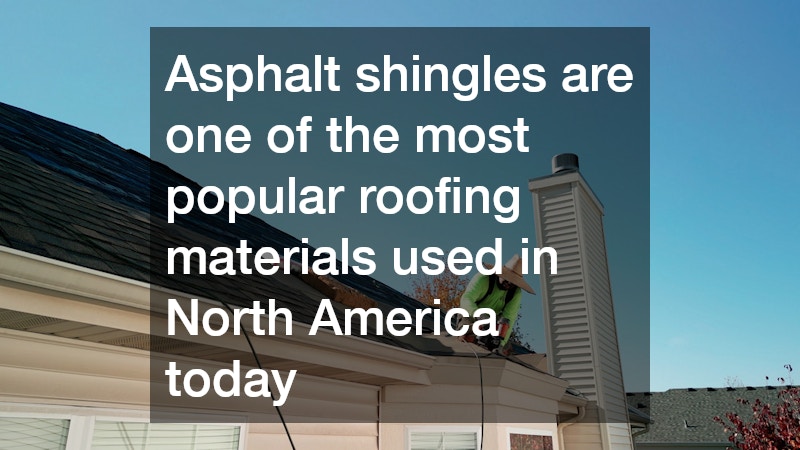
Asphalt shingles are one of the most popular roofing materials used in North America today. These shingles are chosen frequently due to their affordability and ease of installation.
One key advantage of asphalt shingles is their versatility, as they come in a wide range of colors and styles to match various home designs. They typically have a lifespan of 20 to 30 years, making them a long-lasting option in the right climates. However, their durability can significantly decrease in areas with high winds or dramatic temperature changes.
Beyond their cost-effectiveness, asphalt shingles are relatively low maintenance, providing peace of mind for many homeowners. Despite their many benefits, these shingles are not the most environmentally friendly option. The production process involves significant energy use, and the materials are not easily recyclable. Additionally, asphalt shingles may not offer the same level of insulation as other materials, potentially resulting in higher energy bills over time. Nevertheless, they remain a practical selection for many, fitting a wide array of budgets and design preferences, which is particularly appealing when considering a roof replacement.
One downside often noted with asphalt shingles is their susceptibility to algae growth, particularly in humid climates. To combat this, manufacturers have introduced algae-resistant versions, although they may come at a higher price point. Installation errors can also impact their longevity, emphasizing the importance of hiring skilled professionals. Additionally, while asphalt shingles are water-resistant, they are not waterproof and may require additional waterproofing measures. These aspects underscore the importance of understanding all elements of asphalt shingles before committing to a roof replacement using this material.
Metal Roofing
Metal roofing is gaining momentum in popularity due to its durability and eco-friendliness. Known for its longevity, metal roofs can last anywhere from 40 to 70 years, far surpassing the lifespan of traditional roofing options like asphalt shingles. This makes them a compelling option for homeowners looking for a long-term investment. Furthermore, metal roofing is highly resistant to weather elements such as wind, rain, and snow, adding an extra layer of security for those living in harsh climates. Despite these advantages, metal roofing can be quite noisy during rainstorms, which some homeowners find bothersome.
Another attractive feature of metal roofing is its energy efficiency. It reflects solar radiant heat, which can reduce cooling costs by up to 25% for homeowners. This aspect, coupled with its recyclable materials, makes metal roofing a more sustainable choice. However, the initial cost of metal roofing is higher than asphalt, which may deter homeowners focused on immediate expenses. Over the long term, however, the reduced maintenance and energy savings can make metal roofing a cost-effective option. For those contemplating a roof replacement, metal roofing can be a savvy investment when considering these long-term benefits.
One of the main concerns with metal roofing is the potential for denting from hail or falling debris. While modern metals used in roofing are designed to resist such damage, it’s an aspect that homeowners should consider. Additionally, finding qualified installers familiar with metal roofing can be challenging, leading to potential installation errors if not handled by a skilled professional. Another con is the aesthetic appeal, as some might not appreciate the industrial look of a metal roof. However, with advancements in design, many metal roofs are now made to mimic traditional materials, offering more versatility for those undergoing a roof replacement.
Clay and Concrete Tiles
Clay and concrete tiles offer a distinctive and timeless appearance that many homeowners crave. Their aesthetic appeal makes them suitable for various architectural styles, particularly Mediterranean and Spanish designs. These tiles boast excellent durability, often lasting over 50 years if properly maintained. They are non-combustible, adding a level of fire resistance that can be appealing, especially in areas prone to wildfires. However, the weight of these tiles can pose structural challenges for some homes, necessitating additional support before installation.
The thermal properties of clay and concrete tiles contribute to their energy efficiency. They help in regulating indoor temperatures by absorbing heat during the day and releasing it at night, which can aid in lowering energy bills. Eco-conscious homeowners will appreciate that they can be made from natural materials and are recyclable. However, their high cost and the complexity of installation can be significant deterrents. Professional installation is typically required, further increasing the overall cost of a roof replacement using these materials.
While clay and concrete tiles are incredibly durable, they are not immune to damage. They can be brittle and prone to breaking if walked on, which can complicate maintenance and repairs. Additionally, finding replacement tiles that match the original in color and style can sometimes prove difficult. Homeowners should consider these factors when calculating the long-term investment of clay or concrete tiles for their roof replacement. Ultimately, these tiles remain a popular choice for their aesthetic and durability benefits, despite the initial investment required.