
- Leaking water heaters waste both water and energy: Even small leaks force your heater to reheat incoming cold water, increasing electricity or gas usage.
- Know the common causes: Leaks can result from tank age, loose plumbing connections, high water pressure, faulty T&P valves, or corrosion.
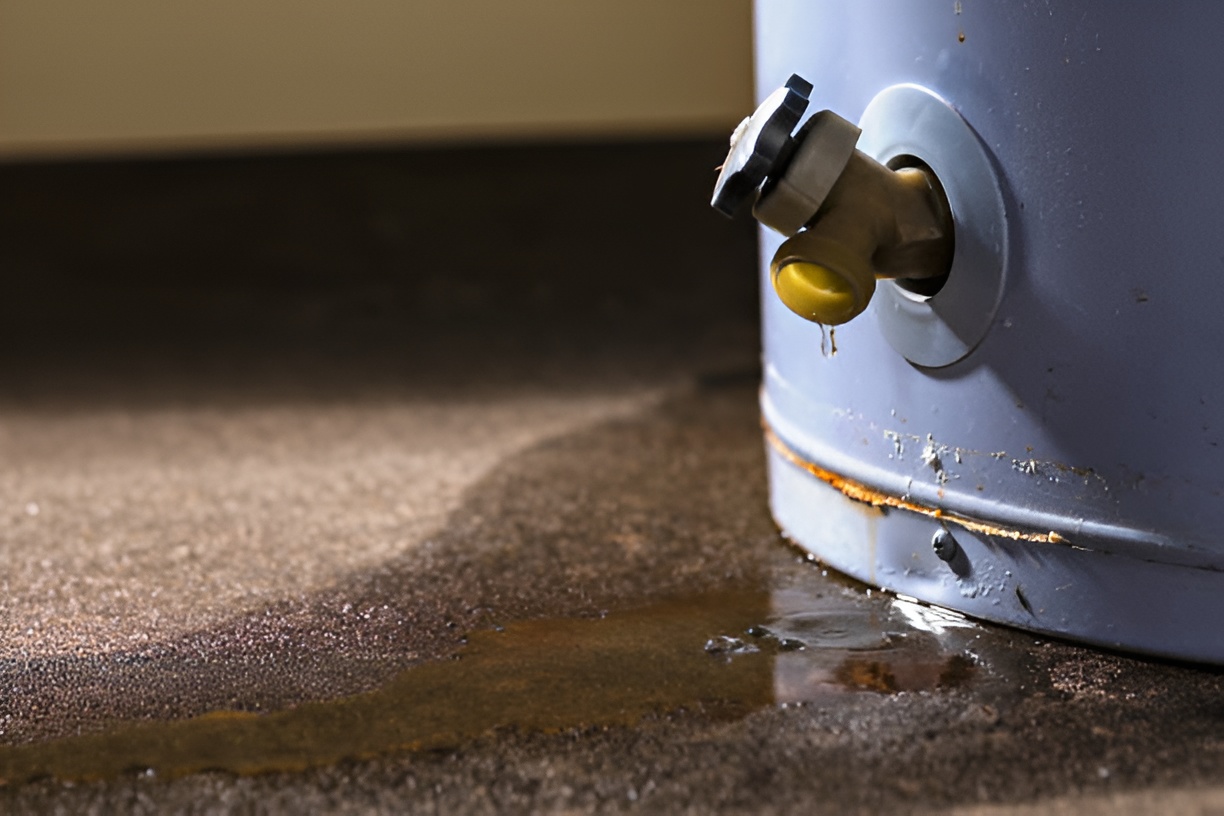
- Bottom leaks are serious: Water pooling beneath the tank often indicates corrosion or a failing tank and usually requires replacement.
- Early detection is key: Watch for signs like pooling water, rust-colored water, dripping sounds, decreased hot water, or moisture around connections.
- DIY fixes vs. professional help: Minor leaks from valves or fittings can be repaired at home, but tank leaks or persistent problems need a licensed plumber.
- Preventive maintenance saves energy and money: Regular flushing, inspecting valves, checking water pressure, and insulating pipes extend heater life and efficiency.
- Energy-efficient upgrades make a difference: Consider tankless heaters, high-efficiency units, smart controllers, and pipe insulation to reduce energy waste while fixing leaks.
A water heater is one of the most essential appliances in your home, quietly providing hot water for showers, laundry, and dishes. But when your water heater starts leaking, it’s more than just a nuisance—it can waste energy, drive up utility bills, and cause serious damage if left unchecked. In this article, we’ll explain why leaks matter, how they affect energy efficiency, and practical ways to fix them.
Why Does a Water Heater Leak?
Leaks in a water heater can happen for a variety of reasons, ranging from simple wear and tear to more serious plumbing or tank issues. Understanding the root cause of a leak is the first step in addressing it effectively and preventing wasted energy. Not all leaks are obvious, and some may start as minor drips before turning into major water damage or increased utility bills.
Common Causes of Water Heater Leaks
- Age of the water heater: Most tank-style water heaters last between 8 and 12 years. Over time, the inner tank can corrode or rust, especially if it hasn’t been flushed regularly. Even a small pinhole leak in the tank can cause water to seep out steadily. If your heater is approaching the 10-year mark, a leak may indicate it’s near the end of its lifespan.
- Loose plumbing connections: Pipes and fittings can loosen due to vibration from normal use, poor installation, or settling of the home. Leaks around inlet and outlet connections are common and are usually fixable with a simple tightening of the fittings.
- High water pressure: Excessively high water pressure puts stress on the tank and its components. If your pressure regularly exceeds the recommended 80 psi, it can trigger leaks in the tank or cause the temperature and pressure (T&P) relief valve to drip. Installing a pressure regulator can prevent this problem.
- Temperature and pressure relief valve failure: This safety valve prevents dangerous pressure buildup. A malfunctioning T&P valve may drip continuously or fail to release pressure when needed, leading to leaks or even potential safety hazards.
- Rust and corrosion: Sediment buildup at the bottom of the tank can cause localized corrosion. Once rust forms on the inner tank walls, it weakens the metal, often resulting in small leaks that grow over time.
Identifying the source of the leak is crucial. Minor leaks from fittings may be fixed easily, while leaks from the tank itself usually indicate the need for professional repair or replacement.
How a Leaking Water Heater Wastes Energy
A leaking water heater isn’t just wasting water—it’s also costing you money on energy. Every drop of hot water that escapes must be replaced by fresh cold water, forcing your water heater to run more frequently. This increases electricity or gas consumption and reduces overall energy efficiency.
Ways Leaks Increase Energy Bills
- Constant reheating: When hot water escapes through a leak, the heater continuously reheats incoming cold water to maintain your desired temperature. This extra work consumes energy unnecessarily.
- Inefficient performance: Sediment buildup and corrosion reduce the tank’s ability to retain heat. A leaking or corroded heater must cycle longer to reach the set temperature.
- Increased standby heat loss: Leaks can expose parts of the tank that are normally insulated, causing heat to escape faster. Your water heater responds by running more frequently, using more energy in the process.
Even a small leak can quietly add up over time. Detecting leaks early can prevent high energy bills, wasted water, and potential damage to your home.
How to Spot a Water Heater Leak
Catching a leak early is key to preventing water damage and energy waste. Some leaks are obvious, but others may be subtle and require careful inspection.
Common Signs of Leaking
- Pooling water around the base of the heater: Even a thin layer of water on the floor is a warning sign.
- Rust-colored water from faucets: Indicates corrosion inside the tank.
- Hissing or dripping sounds near the tank: Could be escaping steam or water from small leaks.
- Decreased water pressure or hot water supply: Often a sign of a failing tank or valve.
- Corrosion or moisture around plumbing connections: Suggests a minor leak that could worsen over time.
Regularly checking your water heater and surrounding area can help catch problems before they escalate.
Step-by-Step Guide to Fixing a Leaking Water Heater
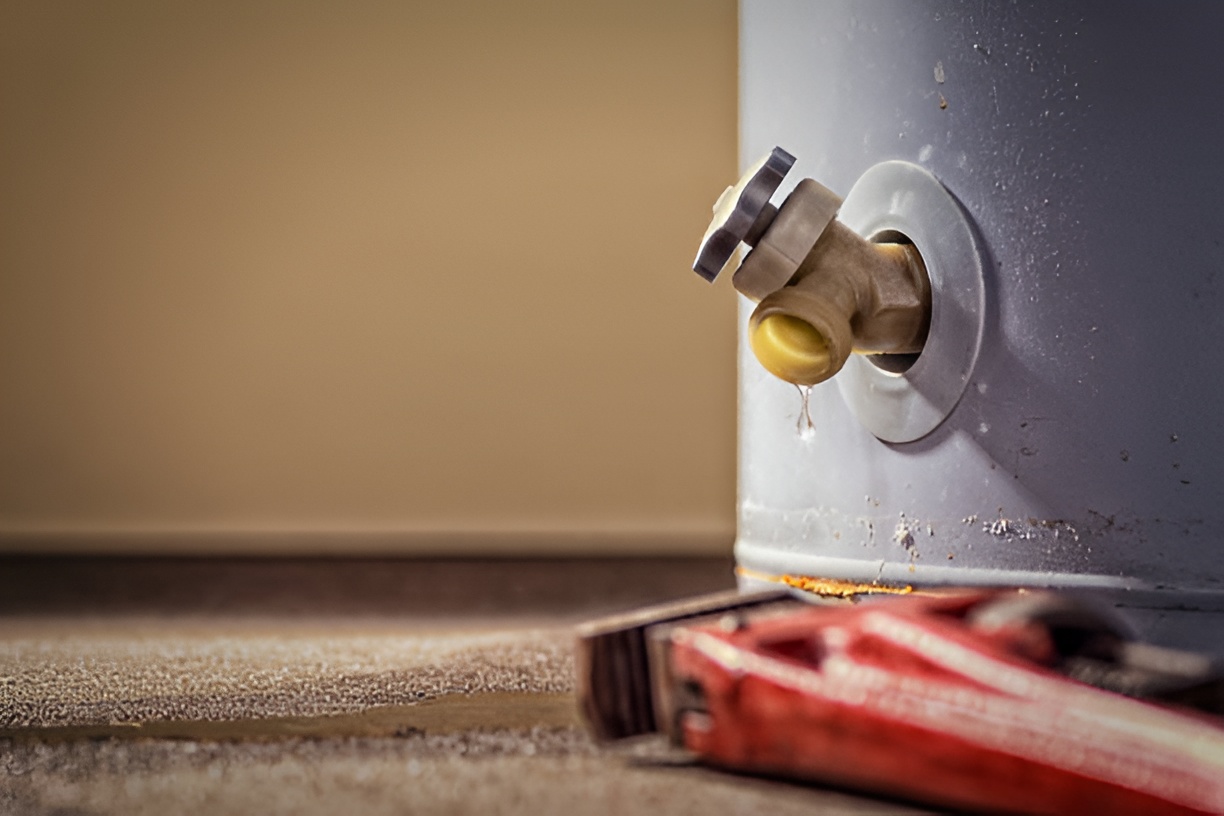
The right fix depends on where the leak is coming from and how severe it is. Here’s a detailed approach to common leak scenarios:
1. Tighten Loose Plumbing Connections
- Turn off the water supply: Always start by shutting off the main water supply to prevent flooding.
- Inspect inlet and outlet pipes: Look for water droplets or corrosion around fittings.
- Tighten connections gently: Use a wrench, but avoid over-tightening, which can crack fittings or damage threads.
This is one of the simplest fixes and can often stop leaks around valves and pipes.
2. Replace a Faulty Temperature and Pressure Relief Valve
- Locate the valve: Usually on the top or side of the tank.
- Turn off the water supply and relieve pressure: Open a hot water tap to release built-up pressure.
- Remove and replace the valve: Ensure the replacement valve is rated for your heater’s pressure and temperature specifications.
A malfunctioning T&P valve can be dangerous if ignored, so replacement is a common and necessary fix.
3. Drain and Flush the Tank
- Turn off the heater and let it cool: This avoids scalding and prevents damage to the tank.
- Attach a hose to the drain valve: Drain the tank into a safe location.
- Flush the tank thoroughly: Remove sediment buildup to prevent corrosion and extend tank life.
- Refill the tank and restart: Gradually fill with water and turn the heater back on.
Regular flushing prevents sediment buildup, which is a common cause of leaks and energy inefficiency.
4. Patch Small Leaks
- Use plumbing epoxy or sealant: Effective for tiny leaks in fittings or non-critical parts of the tank.
- Temporary solution: Most small patches are short-term fixes. If leaks persist, professional repair or replacement may be required.
5. Replace the Water Heater
- When to replace: Older units, multiple leaks, or a corroded tank.
- Benefits of replacement: New water heaters are more energy-efficient, reducing utility costs and the risk of future leaks.
Water Heater Leaking from the Bottom: What It Means and How to Fix It
If you notice water pooling underneath your water heater, it’s important to act quickly. Leaks at the bottom of the tank often indicate internal corrosion, sediment buildup, or a failing tank, and ignoring it can lead to water damage or complete tank failure.
Why Water Heaters Leak from the Bottom
- Tank corrosion: Over time, the inner lining of the tank can rust, especially if the anode rod is depleted. Once the metal corrodes, water begins seeping through the bottom.
- Sediment buildup: Minerals and sediment accumulate at the bottom of the tank, creating pressure points and accelerating corrosion.
- Loose drain valve: Sometimes the leak is minor and caused by a loose or damaged drain valve at the base.
- Excessive water pressure: High pressure can push water out through weak spots in the bottom of the tank.
A leak at the bottom of the heater is often more serious than leaks from connections or valves.
How to Fix a Water Heater Leaking from the Bottom
- Turn off the water supply and power
- For electric heaters: shut off the circuit breaker.
- For gas heaters: turn off the gas supply.
- Drain the tank completely
- Attach a hose to the drain valve and direct water to a safe area.
- This prevents further water damage and allows for inspection.
- Inspect the drain valve
- Check if the leak is coming from the valve rather than the tank itself.
- Tightening or replacing a faulty valve may stop minor leaks.
- Check for internal corrosion
- If water is coming from the tank itself rather than the valve, corrosion is likely the cause.
- This usually means the tank is beyond repair and needs replacement.
- Replace the water heater if necessary
- Bottom leaks from the tank indicate the unit is failing.
- Upgrading to a modern, energy-efficient water heater is often the safest and most cost-effective solution.
Preventing Future Leaks
Even after repairs, prevention is the key to a long-lasting, energy-efficient water heater.
Maintenance Tips
- Inspect your heater regularly for corrosion, rust, or moisture.
- Flush the tank at least once a year to remove sediment buildup.
- Test the temperature and pressure relief valve annually.
- Monitor water pressure and install a regulator if readings are too high.
- Insulate pipes and the tank to reduce heat loss and energy waste.
Routine maintenance not only prevents leaks but also helps your water heater operate efficiently, saving you money on energy bills.
Should You Call a Professional?
While some minor fixes are manageable for DIYers, water heaters involve high temperature water, electrical wiring, or gas connections.
When to Call a Pro
- Leaks persist after tightening connections or replacing valves
- The tank itself is corroded or damaged
- You are uncomfortable working with gas or electrical systems
- You want to install a more energy-efficient model
Hiring a licensed plumber ensures the repair is safe, effective, and up to code.
Energy-Saving Upgrades While Fixing a Leak
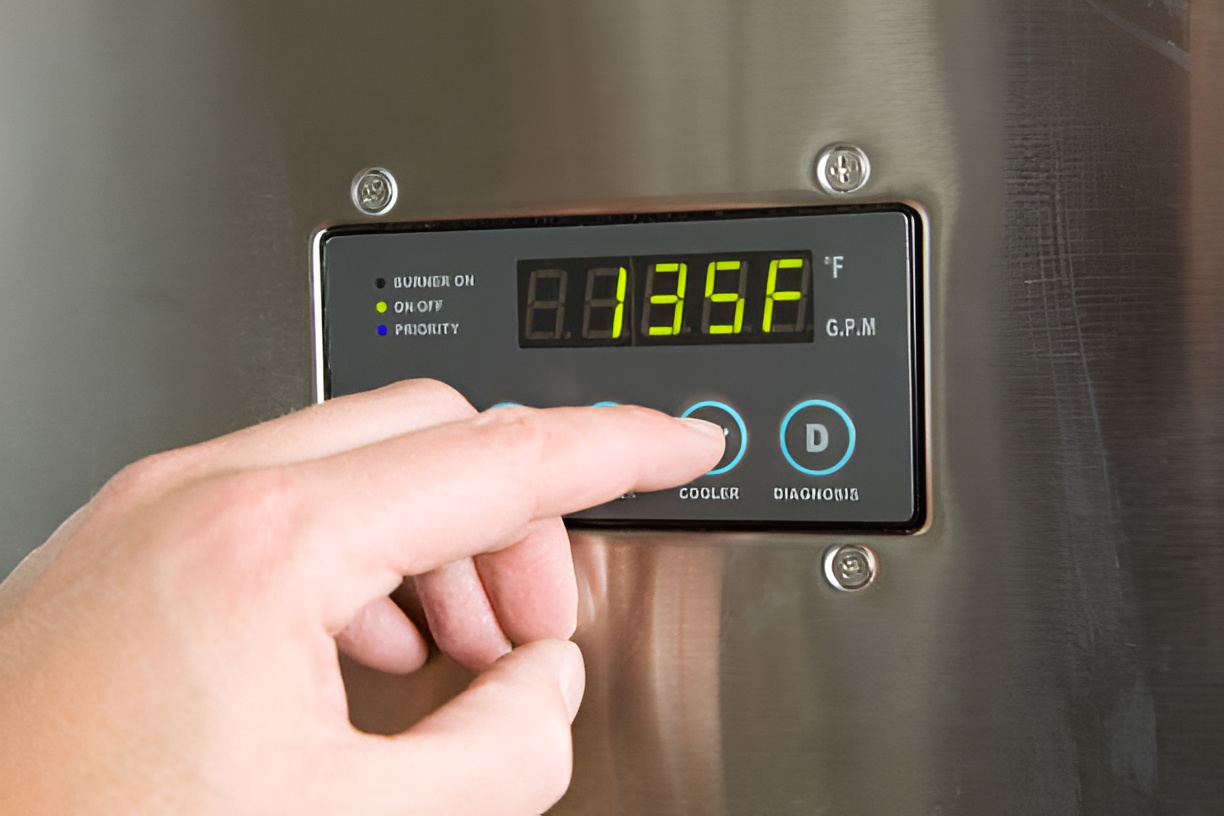
A leaking water heater is not just a maintenance issue—it’s also an opportunity to make your home more energy-efficient. Upgrading or adding energy-saving features while addressing a leak can reduce your utility bills, extend the life of your water heater, and lower your environmental footprint. Here are some effective options:
Tankless Water Heaters
- How they work: Tankless water heaters heat water on demand instead of storing it in a tank.
- Energy savings: Traditional tank heaters lose energy through “standby heat loss,” where hot water sits in the tank waiting to be used. Tankless systems eliminate this, saving up to 30% on water heating costs.
- Practical tip: Tankless units require professional installation, and you may need to upgrade your plumbing or gas line to handle the higher flow.
High-Efficiency Electric or Gas Water Heaters
- Modern efficiency: New water heaters are designed to heat water faster with less energy. High-efficiency gas heaters may have condensing technology, while electric models may feature superior insulation.
- Cost savings: Replacing an old, inefficient unit can significantly reduce monthly energy bills while providing a consistent hot water supply.
- Practical tip: Look for ENERGY STAR-certified models to ensure maximum energy savings and long-term reliability.
Smart Water Heater Controllers
- How they help: Smart controllers let you schedule heating times, monitor water usage, and adjust temperatures remotely.
- Energy impact: By preventing unnecessary heating during periods of low water use, smart controllers can reduce energy waste without affecting your comfort.
- Practical tip: Some smart controllers also alert you to leaks or unusual energy use, helping you catch problems before they become costly.
Pipe Insulation
- What it does: Insulating hot water pipes keeps heat from escaping as water travels from the heater to faucets or appliances.
- Energy savings: Less heat loss means your water heater doesn’t have to work as hard, reducing both energy consumption and water wait times.
- Practical tip: Foam pipe insulation is inexpensive and easy to install, even for DIYers. Focus on pipes that run through unheated areas like basements, crawl spaces, or garages.
Other Small Upgrades That Add Up
- Install a water heater blanket: Adds extra insulation to older units, reducing heat loss.
- Lower the thermostat: Setting your heater to 120°F is usually sufficient and saves energy.
- Fix leaks promptly: Even minor drips waste both water and energy over time.
Even small improvements can pay off quickly when paired with proper maintenance. Upgrading your water heater during a leak repair is a smart way to combine immediate fixes with long-term energy efficiency.
The Costs of Ignoring a Leak
Ignoring a water heater leak can be costly in several ways:
- High water and energy bills
- Structural water damage to floors, walls, or ceilings
- Mold and mildew growth causing health concerns
- Complete tank failure, requiring emergency replacement
Addressing leaks early is not just about energy efficiency—it’s about protecting your home and avoiding expensive repairs.
Quick Tips for a Leak-Free, Energy-Efficient Water Heater
- Inspect and maintain your heater regularly
- Flush the tank yearly to prevent sediment buildup
- Check connections and valves for tightness
- Replace aging units before they fail
- Insulate your heater and pipes for heat retention
By following these tips, you can enjoy reliable hot water without wasting energy or money.
Final Thoughts
A water heater leaking isn’t just inconvenient—it can quietly drain your energy and water resources. Recognizing the signs early, performing maintenance, and making smart repairs can save both energy and money. Whether you tackle minor leaks yourself or call a professional, addressing the problem promptly ensures your home stays safe, efficient, and leak-free.