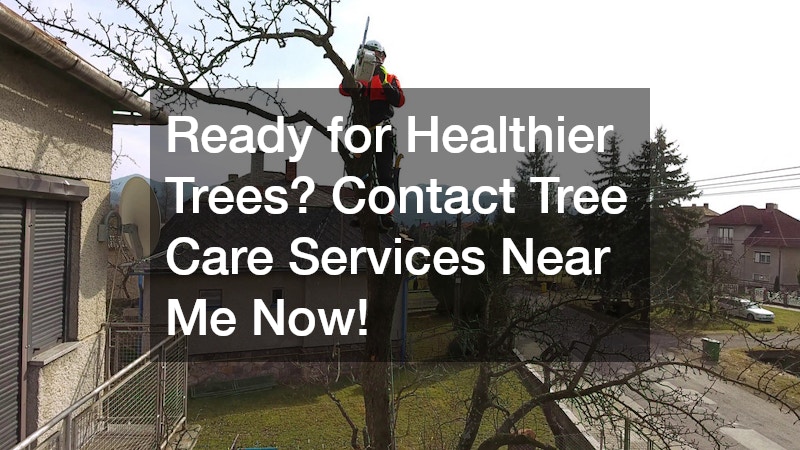
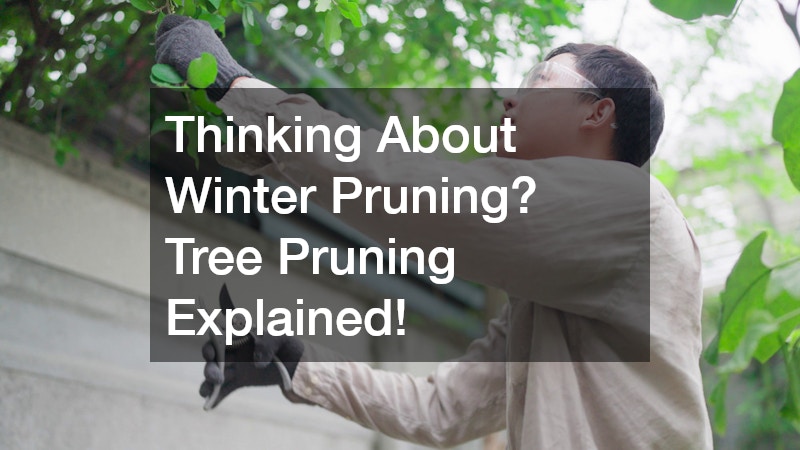

As the leaves fall and the chill sets in, many homeowners turn their thoughts to preparing their yards for the coming seasons. Winter pruning stands out as a key practice in maintaining vibrant, healthy landscapes. This technique involves strategically trimming trees during their dormant period, which minimizes stress and promotes robust growth come spring. Understanding winter pruning is essential, especially if you’re considering professional assistance—searching for tree care services near me can connect you with experts who specialize in this seasonal task. Pruning isn’t just about aesthetics; it’s a vital aspect of tree health, preventing diseases, enhancing structure, and ensuring safety.
In this article, we’ll delve into why pruning matters, the optimal timing for winter cuts, essential tools, techniques for various tree types, common pitfalls to avoid, and more. Whether you’re a DIY enthusiast or opting for tree care services near me, mastering these basics will help your trees thrive year-round.
Why is Tree Pruning Important?
Tree pruning is more than a cosmetic chore; it’s fundamental to long-term plant vitality. If done correctly—or with help from tree care services near me—it can transform your yard.
Promotes Tree Health
Pruning removes dead, diseased, or damaged branches, allowing the tree to allocate resources more efficiently to healthy parts. This reduces the risk of infections spreading, as open wounds heal faster in dormancy. By eliminating weak limbs, you enhance air circulation and sunlight penetration, boosting overall vitality and resilience against pests.
Encourages Fruit Production
For fruit-bearing trees, targeted pruning stimulates better yields. Removing overcrowded branches directs energy toward fruit development, resulting in larger, higher-quality produce. Tree care services near me often recommend this for orchards, ensuring balanced growth and preventing branch breakage under heavy loads.
Improves Tree Structure
Strategic cuts shape the tree’s framework, eliminating crossing branches that could rub and cause wounds. This prevents hazardous, unbalanced growth, leading to stronger, more stable trees that withstand storms better.
Enhances Aesthetic Appeal
A well-pruned tree elevates your landscape’s visual charm. By sculpting the canopy, you create open, inviting spaces that complement your home’s design. Professionals from tree care services near me can provide tailored advice to achieve that polished look without overdoing it.
Safety Considerations
Overgrown branches pose risks, potentially falling on homes, vehicles, or people. Pruning mitigates these dangers by removing precarious limbs, especially important in urban settings. Consulting tree care services near me ensures high-risk areas are addressed safely.
When is the Best Time for Winter Pruning?
Timing is crucial for effective pruning, and winter offers unique advantages.
- Understanding Dormancy: Trees enter dormancy in winter, halting active growth. Pruning then minimizes sap loss and stress, allowing quicker healing and reduced disease vulnerability. This period lets you assess the structure clearly without foliage.
- Regional Climate Considerations: Climate dictates specifics—milder southern areas might prune earlier, while northern regions wait for deep freezes to avoid frost damage. Local tree care services near me can advise based on your area’s weather patterns.
- Signs It’s Too Late to Prune: If buds swell or new growth appears, delay pruning to avoid shocking the tree. Warm spells can trick trees into early activity, signaling a pause.
- Ideal Pruning Windows: Late winter, from February to March in many regions, is prime, just before spring growth. This timing promotes vigorous recovery.
- Exceptions to the Rule: Some species, like maples or birches, bleed sap heavily if pruned in late winter; opt for summer instead. Evergreens may need light trimming year-round. Tree care services near me handle these nuances expertly.
What Tools are Needed for Effective Pruning?
Equipping yourself properly ensures clean cuts and safety. Always sharpen and sterilize tools to prevent disease spread.
- Pruning Shears: Handheld shears, like bypass or anvil types, are ideal for small branches up to ¾ inch thick. They provide precise cuts for detailed work.
- Loppers: For thicker branches (up to 2 inches), loppers offer leverage with long handles, reducing strain. Tree care services near me use professional-grade versions for efficiency.
- Pruning Saws: Curved or folding saws tackle larger limbs, with teeth designed for clean, tear-free cuts.
- Pole Pruners: Extendable poles with attached pruners or saws reach high branches safely from the ground.
- Protective Gear: Gloves, safety glasses, helmets, and sturdy boots are non-negotiable to guard against debris and falls.
How to Prune Different Types of Trees?
Techniques vary by tree type; improper methods can harm them, so consider tree care services near me for complex jobs.
- Fruit Trees: Prune to open the canopy for sunlight, removing suckers and water sprouts to focus energy on fruit. Aim for a vase shape.
- Ornamental Trees: Focus on aesthetics and health, thinning crowded areas while preserving natural form.
- Evergreen Trees: Lightly prune in late winter, avoiding heavy cuts that expose inner wood. Shape gradually.
- Deciduous Trees: Remove deadwood and shape during dormancy for strong structure. Tree care services near me excel at this for shade trees.
- Shrubs and Bushes: Use renewal pruning for rejuvenation, cutting back one-third of old stems annually.
What are the Common Mistakes to Avoid When Pruning?
Steer clear of these errors to protect your trees.
- Over-Pruning: Removing more than 25% of foliage stresses the tree, inviting pests and decay.
- Incorrect Cutting Techniques: Flush cuts or stubs hinder healing; always cut just outside the branch collar. Tree care services near me emphasize proper angles.
- Ignoring Tree Health Indicators: Pruning stressed or diseased trees worsens issues—inspect for signs like wilting first.
- Lack of Cleanup: Leaving debris invites fungi and insects; dispose promptly for garden health.
- Neglecting Tool Maintenance: Dull or dirty tools cause ragged cuts, spreading diseases.
Winter pruning is a rewarding investment in your landscape’s future, fostering healthier, more beautiful trees that enhance your property’s value and safety. By understanding its benefits—from boosted health and fruit production to improved structure—and mastering timing, tools, and techniques, you can avoid common mistakes and achieve optimal results. Remember, if the task feels overwhelming, reaching out to tree care services near me provides expert guidance tailored to your needs. Embrace proper practices this winter, and watch your trees flourish in the seasons ahead. With thoughtful care, your yard will remain a thriving oasis for years to come.