
As energy bills climb and sustainability becomes more important in everyday living, homeowners are looking for cost-effective ways to improve their homes’ energy efficiency. The good news? You don’t have to spend thousands on a complete remodel to see a real difference. Small DIY home improvements can deliver big energy savings—sometimes instantly. From sealing leaks to switching light bulbs, these hacks are easy to do, affordable, and require minimal technical skills.
In this guide, we’ll share 12 easy DIY home improvement hacks to instantly boost energy efficiency. Each one will help you reduce your energy usage, lower utility costs, and create a more comfortable living space—all without needing to hire a professional.
1. Why Is Energy Efficiency Important for Homeowners?
Energy efficiency goes beyond just saving money on your electric bill. For homeowners, improving energy efficiency means enhancing indoor comfort, extending the lifespan of appliances, reducing carbon footprint, and even increasing property value.
When a home is energy efficient, it uses less energy to provide the same level of comfort and functionality. This is especially crucial in older homes, where outdated insulation and inefficient systems may be wasting energy without the homeowner realizing it. By applying simple do-it-yourself upgrades, you can reduce waste and make your home smarter and more sustainable.
2. Can Weatherstripping Really Make a Difference?
Absolutely. One of the easiest and most effective DIY upgrades is weatherstripping. Many homes, especially older ones, lose energy through gaps around doors and windows. These tiny leaks may not seem like much, but they can result in significant heat loss during winter or cool air loss in summer.
DIY Weatherstripping Tips:
- Use foam tape or V-strip weatherstripping for doors and double-hung windows.
- Apply door sweeps to block airflow under exterior doors.
- Choose rubber or vinyl gaskets for attic access panels or basement doors.
- Check for gaps using a lit candle or incense stick—if the smoke wavers, you’ve found a draft.
This hack requires minimal tools and can be done in a few hours, but the savings on heating and cooling costs will last for years.
3. How Can You Improve Insulation Without Replacing Your Walls?
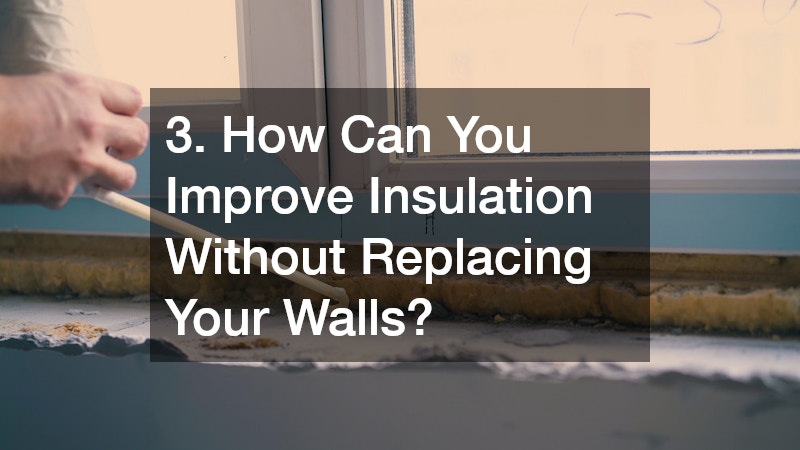
You don’t need to tear down drywall to add insulation. There are several simple DIY methods to improve insulation and reduce heat transfer.
Insulation Hacks You Can Do Yourself:
- Install reflective foil insulation behind radiators or baseboard heaters on exterior walls.
- Use thermal curtains or insulated drapes to reduce heat loss through windows.
- Seal outlets and switch plates on exterior walls using foam gaskets.
- Place area rugs on bare floors to insulate from underneath.
Even small insulation improvements can reduce your heating and cooling workload, helping your home stay comfortable with less energy use.
4. What Are Smart Power Strips and Why Should You Use Them?
Did you know that many of your home electronics draw power even when turned off? Devices like TVs, game consoles, and chargers are notorious for phantom power use, which can add up to hundreds of wasted kilowatt-hours annually.
How Smart Power Strips Work:
- They automatically cut power to devices that are in standby mode.
- Some models come with motion sensors or timers to further reduce unnecessary usage.
- Ideal for home offices, entertainment centers, and kitchen appliances.
Installing smart power strips is a plug-and-play project that takes minutes but can shave real dollars off your electric bill.
5. How to Use Caulk to Seal Air Leaks Around Your Home
If you’ve already tackled weatherstripping but still feel drafts, caulking may be the answer. Caulk is ideal for sealing stationary gaps and cracks around windows, baseboards, vents, and plumbing pipes.
Steps for Caulking:
- Choose a paintable latex caulk for indoor areas and a silicone-based caulk for exterior.
- Use a caulk gun to apply a consistent bead along seams.
- Smooth the bead with a damp finger or caulk-smoothing tool.
This simple job helps stop air leaks and can also prevent moisture damage and pests, making your home more efficient and durable.
6. Are LED Bulbs Really Worth the Switch?
Yes—and the results are instant. LED light bulbs use up to 80% less energy than traditional incandescent bulbs and last significantly longer. Best of all, they’ve become more affordable in recent years, making them an easy, high-impact DIY upgrade.
Benefits of Switching to LEDs:
- Longer lifespan: Up to 25,000 hours.
- Lower heat output: Reduces cooling costs in summer.
- Available in warm or cool tones to match your decor.
Start by replacing bulbs in high-use areas like kitchens, living rooms, and exterior lights to maximize savings right away.
7. Install a Programmable Thermostat for Better Temperature Control
A programmable thermostat is one of the smartest energy-saving devices you can install yourself. It allows you to set schedules for heating and cooling, ensuring your HVAC system isn’t working when it doesn’t need to.
Features to Look For:
- 7-day or 5-2 programming to fit your lifestyle.
- Wi-Fi enabled models allow remote control via smartphone.
- Some models provide energy usage reports to help track savings.
This one-time DIY upgrade can lead to annual energy savings of 10% or more on heating and cooling.
8. Use Reflective Window Film to Block Heat
If you live in a hot climate or have large windows facing the sun, installing reflective window film can significantly reduce solar heat gain. This easy DIY fix reduces the strain on your cooling system and keeps your interior more comfortable.
DIY Window Film Tips:
- Clean the window thoroughly before application.
- Use a spray solution of water and mild soap to position the film.
- Smooth out air bubbles with a squeegee or credit card.
This project costs little but improves comfort, reduces glare, and protects furniture from fading, while saving energy.
9. DIY Home Improvement Hacks for an Energy-Efficient Home Exterior
When thinking about energy efficiency, don’t forget the outside of your house. Many homeowners overlook exterior maintenance, which can make a significant difference in energy performance.
Energy-Efficient Exterior Hacks:
- Paint your roof with a reflective coating to reduce heat absorption.
- Plant shade trees or install awnings on sun-exposed windows.
- Clean and maintain gutters to avoid moisture issues and insulation damage.
- Use light-colored paint for exterior walls to reflect rather than absorb heat.
These outdoor projects not only improve curb appeal but also reduce the internal heat load, making it easier to maintain ideal temperatures indoors.
10. How to Maintain Appliances for Better Efficiency
Even the most energy-efficient appliances lose performance over time without proper maintenance. By incorporating a few DIY tasks into your routine, you can extend their lifespan and reduce energy consumption.
Appliance Maintenance Hacks:
- Vacuum your refrigerator coils every 6 months to keep it running efficiently.
- Clean your dryer vent and lint trap to improve airflow and prevent overheating.
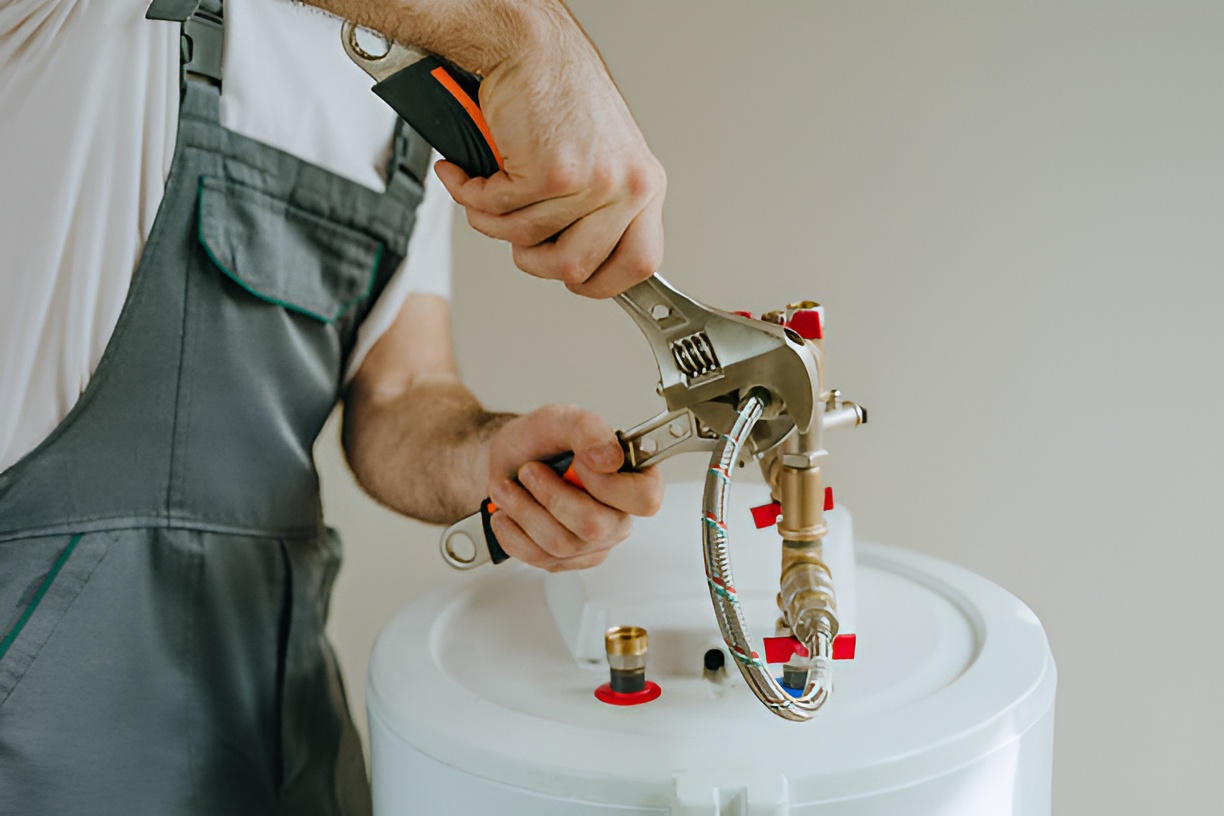
- Descale your water heater annually to improve heat transfer and reduce energy use.
- Change HVAC filters monthly or quarterly, depending on usage.
Maintaining your appliances is a low-cost habit with high savings over time. It’s one of the best returns on investment for DIY-minded homeowners.
11. How to Maximize Natural Light to Reduce Energy Use
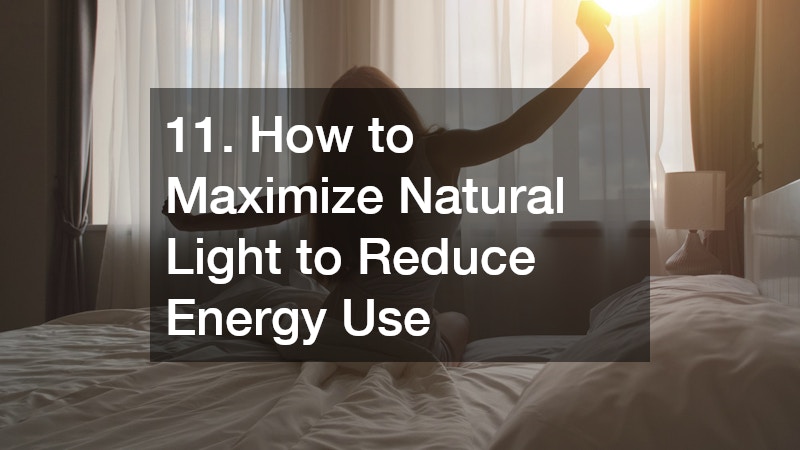
Maximizing natural light is a simple, often-overlooked way to boost energy efficiency. By strategically using sunlight during the day, you can reduce your reliance on electric lighting and even lower heating costs in cooler months. A few thoughtful adjustments to your home layout and decor can amplify the effect of natural light and brighten your space effortlessly.
DIY Ideas to Boost Daylight Indoors:
- Use light-colored or reflective paint on walls and ceilings to bounce light around the room.
- Hang mirrors across from windows to reflect sunlight deeper into the room.
- Trim outdoor shrubs or trees that block sunlight from entering through windows.
- Replace heavy drapes with sheer or translucent curtains to let in more light.
- Clean windows regularly to ensure maximum light penetration.
These changes not only cut electricity use but also create a more uplifting, open living environment.
12. Upgrade to Low-Flow Fixtures to Save Water and Energy
Improving energy efficiency doesn’t stop at electricity—it also involves reducing water use, especially hot water, which requires energy to heat. Installing low-flow showerheads and faucet aerators is an easy DIY project that can lead to substantial savings over time. These devices reduce water flow without sacrificing pressure, giving you the same experience with less resource waste.
DIY Low-Flow Fixture Upgrades:
- Replace existing showerheads with EPA WaterSense-certified models.
- Install faucet aerators on bathroom and kitchen taps.
- Fix leaky faucets and toilets to prevent unnecessary water and energy loss.
- Consider a low-flow toilet retrofit kit for older toilets.
Not only will you conserve water and energy, but you’ll also reduce utility bills and contribute to a more eco-conscious household.
Final Thoughts: Start Small, Save Big
You don’t need a major renovation or a hefty budget to make your home energy efficient. These easy DIY hacks are simple, affordable, and highly effective. Whether you’re sealing drafts, upgrading lighting, or optimizing your thermostat, each step helps create a smarter, more energy-conscious home.
By incorporating just a few of these home improvement strategies, homeowners can significantly lower their energy bills, improve comfort, and contribute to a healthier environment. Best of all, each project can be completed in a weekend or less, so you can start seeing results almost immediately.